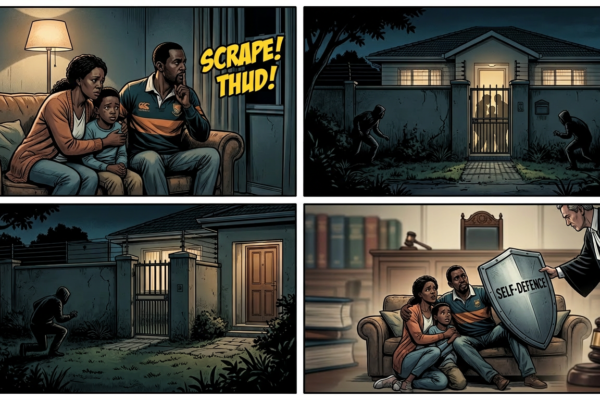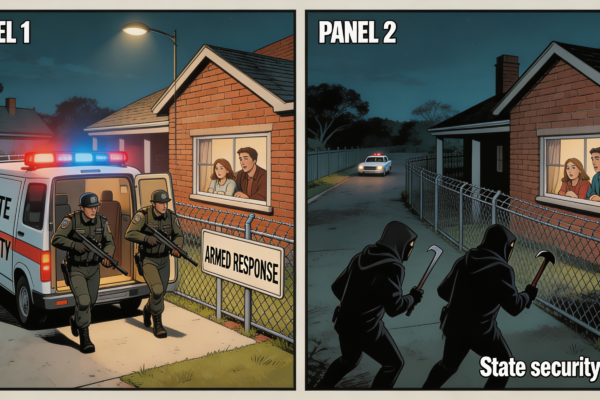
For many South Africans, safety is not optional. It is an unavoidable expense.
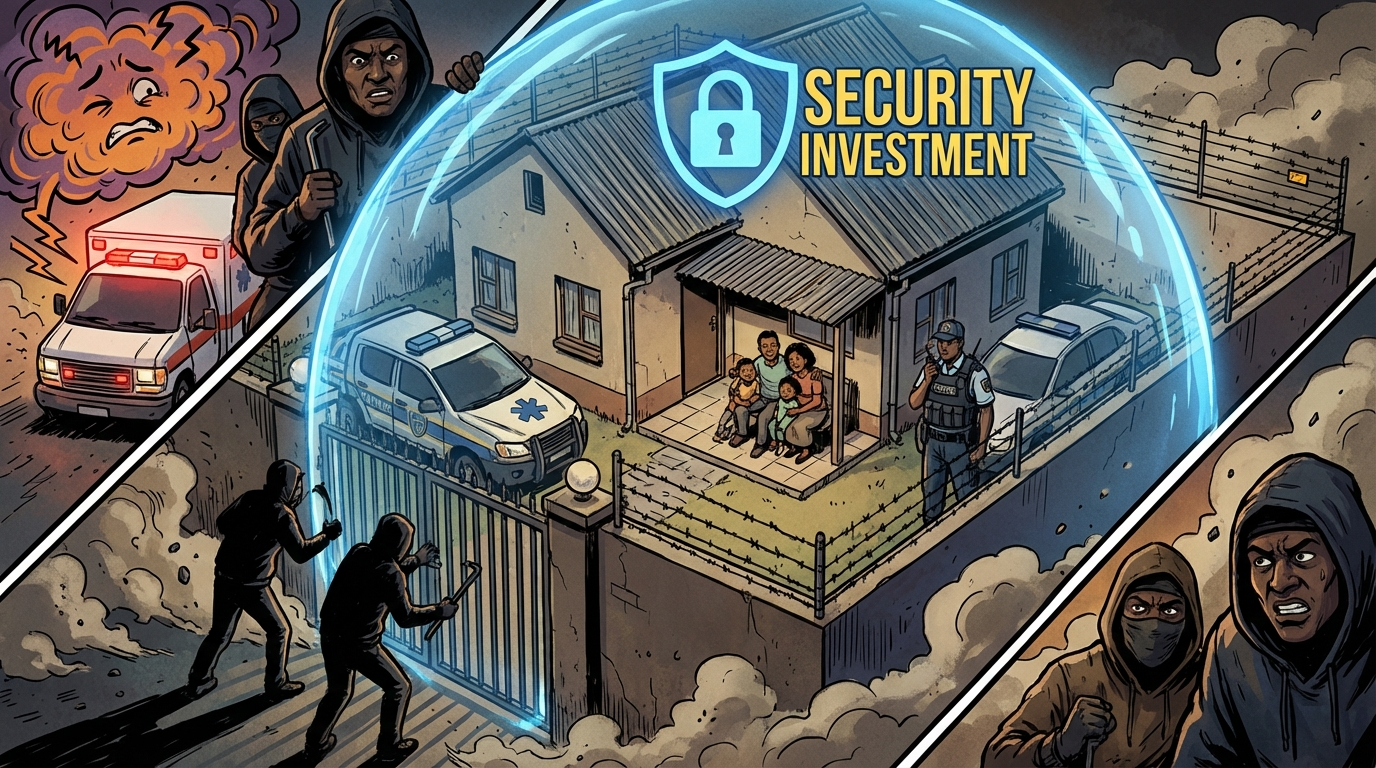
Alarms, armed response, access control, perimeter protection, and monitoring systems are not lifestyle upgrades. They are protective measures adopted in response to persistent risk.
Safety is a necessity, not a preference
Households across income groups spend significant portions of their monthly budgets on security services because crime is not hypothetical.
People do not invest in safety because it is fashionable. They do so because the consequences of not doing so are severe.
The unequal burden of safety
Citizens currently carry the full financial burden of protecting themselves while also funding public safety through taxation.
This results in a double cost:
- Paying privately for protection
- Paying taxes intended to fund public safety services
Safety tax credits would not remove responsibility from the state. They would recognise the reality that individuals are already absorbing costs that serve the broader public interest.
Safety costs compete with essentials
For many households, security expenses compete directly with education, healthcare, transport, and housing costs. These are not discretionary trade-offs. They are forced decisions made in response to crime, not comfort.
Ignoring this reality deepens inequality and penalises responsible behaviour.
Prevention is a public good
Security spending reduces crime, emergency responses, medical intervention, and long-term trauma. Treating safety costs as preventative investment aligns with sound public policy.
Tax systems already recognise preventative spending in other areas. Safety deserves the same consideration.
A fairer approach to public safety
Safety tax credits are not about privilege. They are about fairness, prevention, and acknowledgement of lived reality.
When citizens take responsibility for their own protection, policy should support that effort, not dismiss it as a lifestyle choice.
Stay Informed
Campaign updates, legislation alerts, and advocacy news. No spam.