Organisation warns that legislative changes, administrative barriers and proposed firearm taxes could steadily reduce the number of law-abiding citizens able to defend themselves.
Civil Society South Africa (CSSA) has warned that a combination of legislative changes, administrative barriers and proposed firearm taxes is placing increasing pressure on lawful firearm ownership in South Africa. The warning follows recent calls for additional taxes on firearm and ammunition purchases.
CSSA says these developments form part of a broader pattern aimed at reducing lawful firearm ownership through three pressure points: legislative restrictions, administrative barriers and economic pressure.
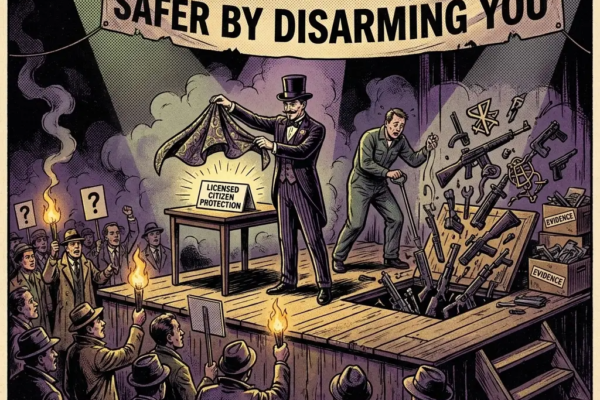
“When you combine legislative restrictions, administrative barriers and economic pressure, the outcome is obvious,” says Reece Clark, national spokesperson for Civil Society South Africa. “You end up disarming the people who follow the law while criminals remain fully armed. That is not a crime prevention strategy. It is a policy failure.”
One of the most concerning proposals currently under discussion is the potential removal of Section 13 of the Firearms Control Act, which currently provides the legal basis for citizens to licence a firearm specifically for self-defence.
At the same time, proposed amendments affecting Section 14, which governs firearms licensed for occasional hunting and sport shooting, would make it explicit that firearms licensed under this section may not be used for self-defence purposes.
The combined effect of these changes would be profound. If Section 13 is removed and Section 14 firearms may not be used for self-defence, ordinary citizens are effectively left without a clear legal pathway to licence a firearm for personal protection.
CSSA also points to ongoing administrative obstacles within the firearm licensing system. Delays, procedural barriers and inconsistent decisions within the Central Firearms Registry have already made it increasingly difficult for responsible citizens to comply with the law.
Recent calls for additional taxes on firearms and ammunition represent a third pressure point. Lawful firearm owners already undergo background checks, competency certification, licensing fees, renewals and strict storage requirements. Additional taxation will not disarm criminals or dismantle illegal gun markets. It will simply make lawful self-defence more expensive.
“Security cannot become a privilege reserved for the wealthy,” Clark says.
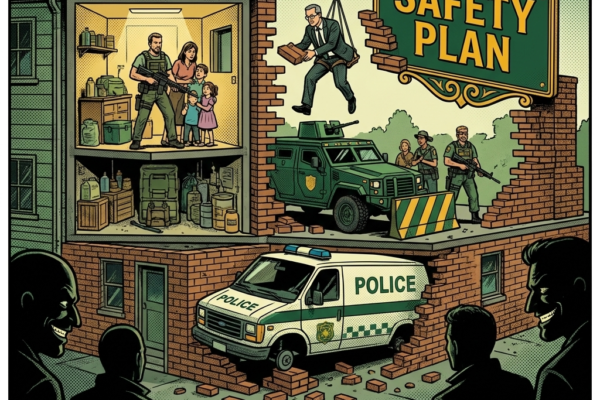
South Africa’s violent crime crisis is driven primarily by illegal firearms circulating through trafficking, corruption and diversion, yet current proposals focus on restricting those who comply with the law.
“South Africa’s crisis does not stem from legal firearms and law-abiding firearm owners,” says Clark. “The crisis is the product of illegal firearms, weak enforcement and failure by the Government to keep citizens safe.”
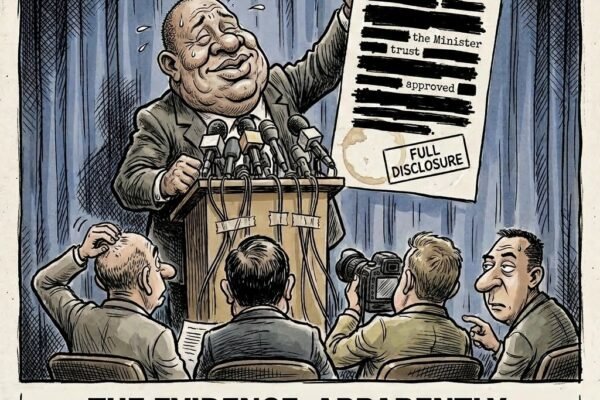
Civil Society South Africa calls on Parliament and National Treasury to reject policies that target lawful firearm owners and instead focus on the real drivers of violence: illegal firearms, weak enforcement and low conviction rates for violent crime.
Soundbite: https://civilsocietysouthafrica.co.za/wp-content/uploads/2026/03/Three-pressure-points-threatening-lawful-firearm-ownership-in-South-Africa-warns-Civil-Society-South-Africa.mp3
More about CSSA
Civil Society South Africa (CSSA) is a civil society organisation advocating for safer communities, responsible firearm ownership and stronger protection for citizens who comply with the law. CSSA works to promote policies that strengthen public safety, accountability and the ability of law-abiding South Africans to protect themselves, their families and their communities.
Stay Informed
Campaign updates, legislation alerts, and advocacy news. No spam.