Economists and policy analysts are weighing in on the growing debate surrounding the Safety Tax Credits campaign, which calls for tax deductions on household security expenditure.
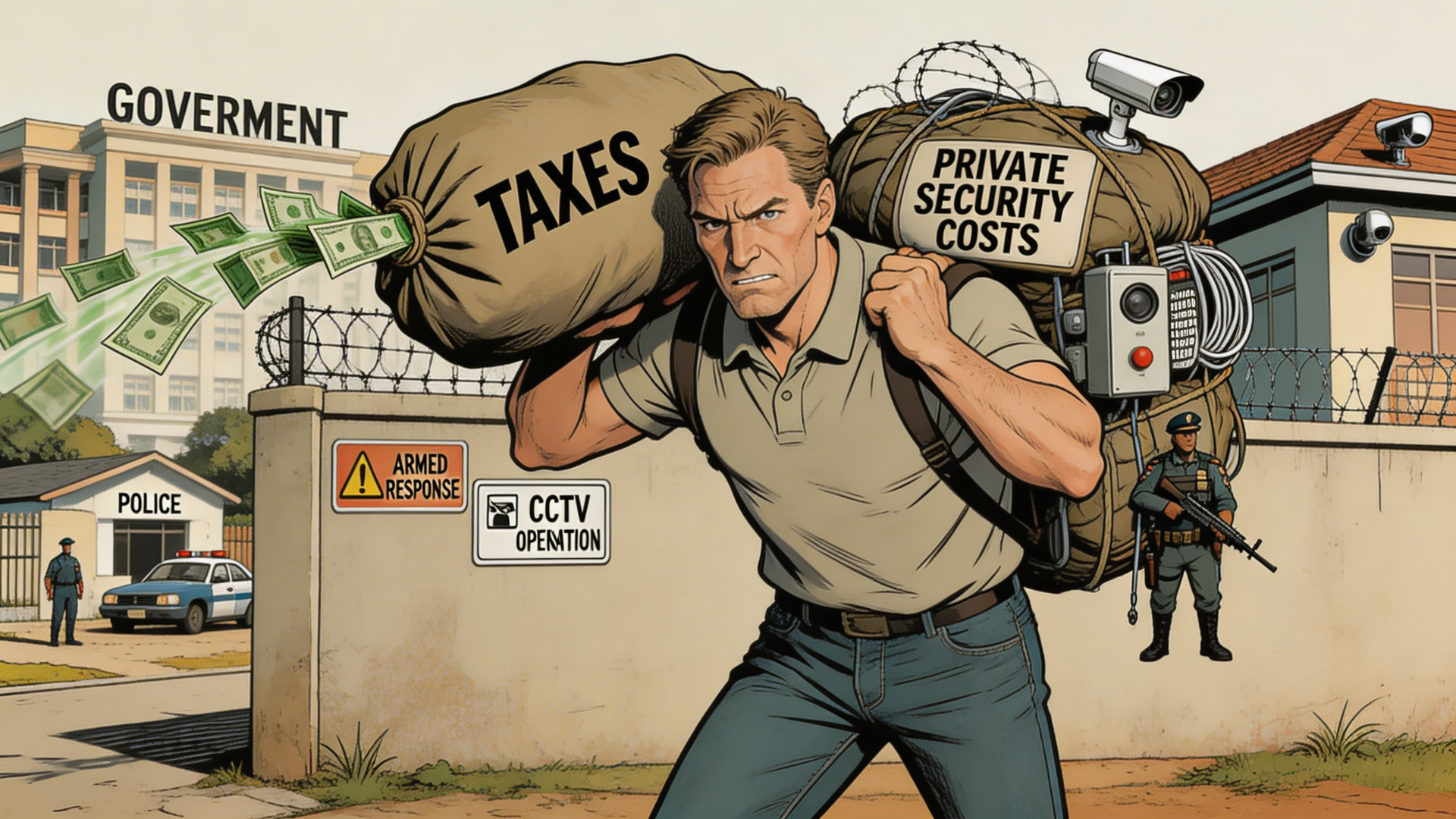
According to independent economic analysts, the logic behind the proposal is sound: households that invest in private security are effectively relieving the state of a financial and operational burden.
“South Africa has the largest private security sector in the world, with more registered private security officers than the entire SAPS,” said one economic researcher. Emphasizing “The reality is that citizens are paying for a parallel safety system – and they receive no tax recognition for it.”
Estimates suggest that South Africans spend billions annually on private security and home safety upgrades.
This includes:
- alarm systems
- armed response
- CCTV installations
- perimeter reinforcements
- community patrol contributions
- security hardware such as lights, beams, and fences
“From an economic perspective, this is equivalent to outsourcing a core government function to citizens,” “When taxpayers carry essential state functions, tax credits are a reasonable response.”
The Safety Tax Credits petition, which will be heard in Parliament on 9 December 2025, argues that private safety expenditure should receive similar tax consideration to medical aid contributions. Both, the campaign argues, relieve pressure on failing state systems.
Whether government will support the proposal remains unclear, but early indications show strong public backing across socioeconomic lines.
Stay Informed
Campaign updates, legislation alerts, and advocacy news. No spam.