Soundbite: https://civilsocietysouthafrica.co.za/wp-content/uploads/2026/09/CSSA-demands-full-paper-trail-behind-the-FCAB.mp3
Civil Society South Africa (CSSA) has filed two comprehensive Promotion of Access to Information Act (PAIA) applications to uncover the evidence, ministerial decisions and socio-economic assessment behind the proposed Firearms Control Amendment Bill (FCAB).
The applications, submitted to the Presidency and the SAPS Information Officer for records held on behalf of the Police Ministry, form the latest phase of CSSA’s Transparency Project.
Together, they follow the Bill’s paper trail from the research and political decisions that shaped it to the process that should have tested whether it was fit to proceed.
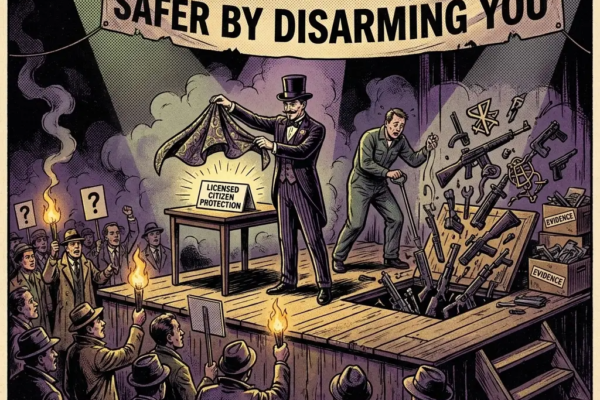
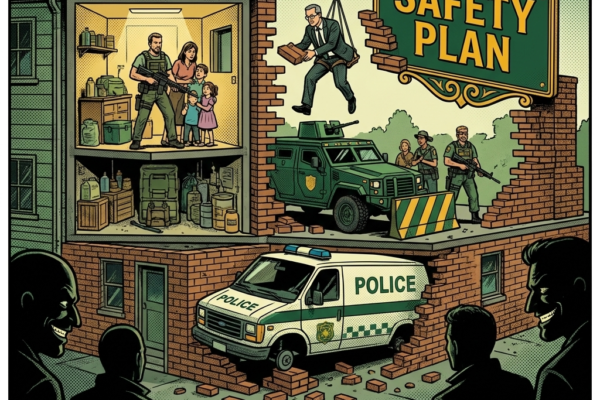
“The government wants to make it harder for law-abiding South Africans to protect themselves. CSSA wants to know what evidence supports that decision and whether its consequences were properly assessed,” says Reece Clark, spokesperson for CSSA.
The application concerning the Police Ministry seeks the complete policy, evidentiary and decision-making record behind the Bill. This includes ministerial submissions, briefing notes, instructions and decisions by current and former police ministers, legal opinions, research, crime statistics, stakeholder submissions, Cabinet-related records held by the Ministry and implementation plans.
CSSA is also seeking records showing the rationale for proposals affecting self-defence, licensing, renewals, competency, ammunition, storage, surrender and compensation.
The application asks what alternatives were considered, including better enforcement of the existing Firearms Control Act, administrative reforms and less restrictive measures. It also seeks records of any objections, risks or counterarguments raised within government and how these were addressed.
“If government concluded that removing self-defence as a valid reason to own a firearm would make South Africans safer, it must show how it reached that conclusion,” says Clark.
“We want to see the crime data, research, legal advice and policy options that were placed before the Police Minister. We also want to know whether the capacity of SAPS and the Central Firearms Registry to implement these proposals was honestly assessed.”
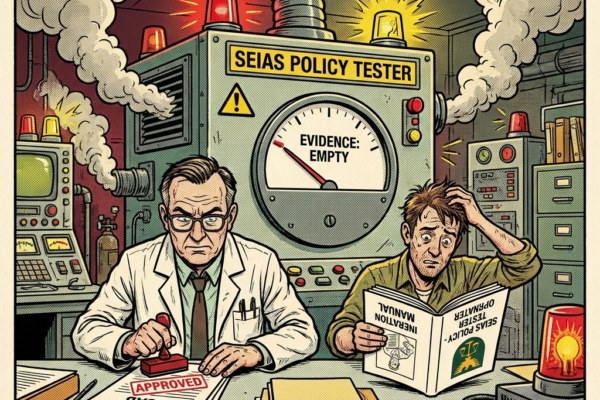
The second PAIA application, submitted to the Presidency, focuses on the Socio-Economic Impact Assessment System (SEIAS) process.
CSSA is requesting the initial and final socio-economic impact assessments, every revision, the research and data supporting them, internal reviews, correspondence, meeting records, recommendations and any approval that permitted the Bill to proceed.
The request includes the 2016 initial assessment and records held by the Presidency since 1 October 2019, when responsibility for SEIAS was transferred from the Department of Planning, Monitoring and Evaluation.
The Presidency is being asked to disclose whether the assessment was considered complete and satisfactory, whether revisions were required and whether the Bill was allowed to proceed without meeting all the necessary assessment requirements.
CSSA also wants to know whether the 2016 assessment was reviewed after the SEIAS function moved to the Presidency, whether it was still considered current and whether later versions of the Bill required a new or revised assessment.
“A socio-economic assessment cannot be treated as a box-ticking exercise,” says Clark. “The Bill has changed, while South Africa’s crime situation, policing capacity and firearms administration have also changed. Government cannot simply assume that an assessment dating from 2016 still justifies the legislation it wants to pursue today.”
The two PAIA applications seek records dealing with the Bill’s possible effects on public safety, violent crime, lawful self-defence, illegal firearms, firearm theft, police capacity, the Central Firearms Registry, licensing systems, investigations, prosecutions and the courts.
They also seek information about the financial and administrative costs of implementation, staffing and training requirements, information technology, operational readiness and the potential consequences for victims of crime, communities, businesses and lawful firearm owners.
CSSA has requested the complete administrative record rather than selected final documents. This includes the trail showing how proposals and assessments were submitted, questioned, revised, accepted, rejected, delayed or approved.
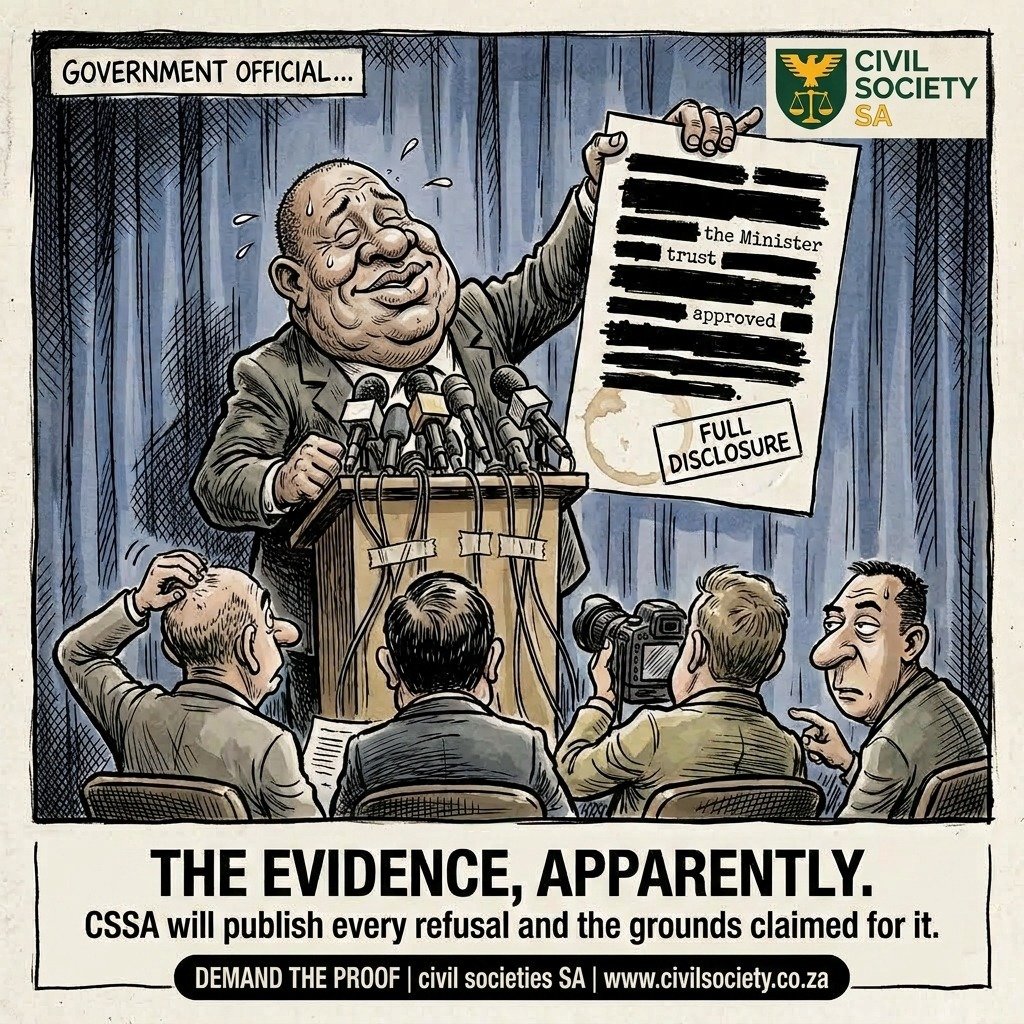
“If the research exists, show it. If risks were identified, show how they were addressed. If officials warned that the Bill was unsupported, impractical or constitutionally vulnerable, the public is entitled to know,” says Clark.
“South Africans should not have to accept assurances that the FCAB will improve public safety. The government must produce the evidence, explain its reasoning and account for the process that allowed the Bill to advance.”
CSSA will publish the responses, records, refusals and any failure to respond through its Transparency Project. Where necessary, the organisation will pursue internal appeals, complaints to the Information Regulator and further legal action.
Stay Informed
Campaign updates, legislation alerts, and advocacy news. No spam.