Civil Society South Africa (CSSA) calls for urgent and measurable action against illegal firearms following recent disclosure by Justice Minister Mmamoloko Kubayi that 10 315 new cases related to illegal possession of firearms and ammunition were enrolled over the past two years.
Of these, more than half were withdrawn, only 101 resulted in acquittals, and just 1 671 were finalised with convictions. These figures point to a system that is struggling to convert enforcement into meaningful consequences.
For communities living with daily threats, the effect is tangible. Illegal firearms remain in circulation, cases fail to reach conclusion, and those who operate outside the law continue to benefit from delay and inefficiency within the justice system.
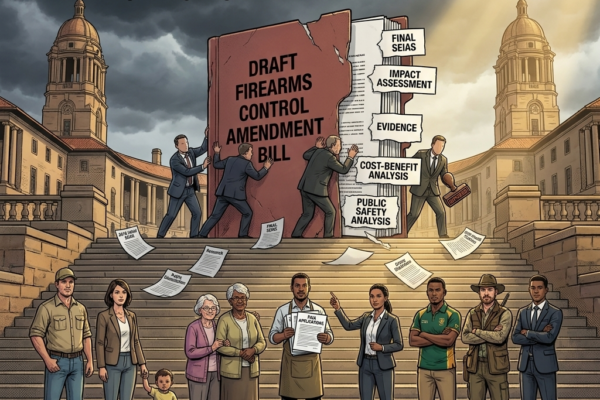
At the same time, law-abiding firearm owners face increasing regulatory pressure. Proposals linked to the Firearms Control Amendment Bill, including the potential removal of self-defence as a valid reason for firearm ownership, signal a policy direction that further limits compliant citizens while the criminal pipeline remains unresolved.
CSSA maintains that this imbalance reflects a deeper fracture in South Africa’s social contract. Citizens are expected to rely on the state for protection, yet the state’s ability to deliver timely, effective justice in matters as serious as illegal firearm possession remains under strain.
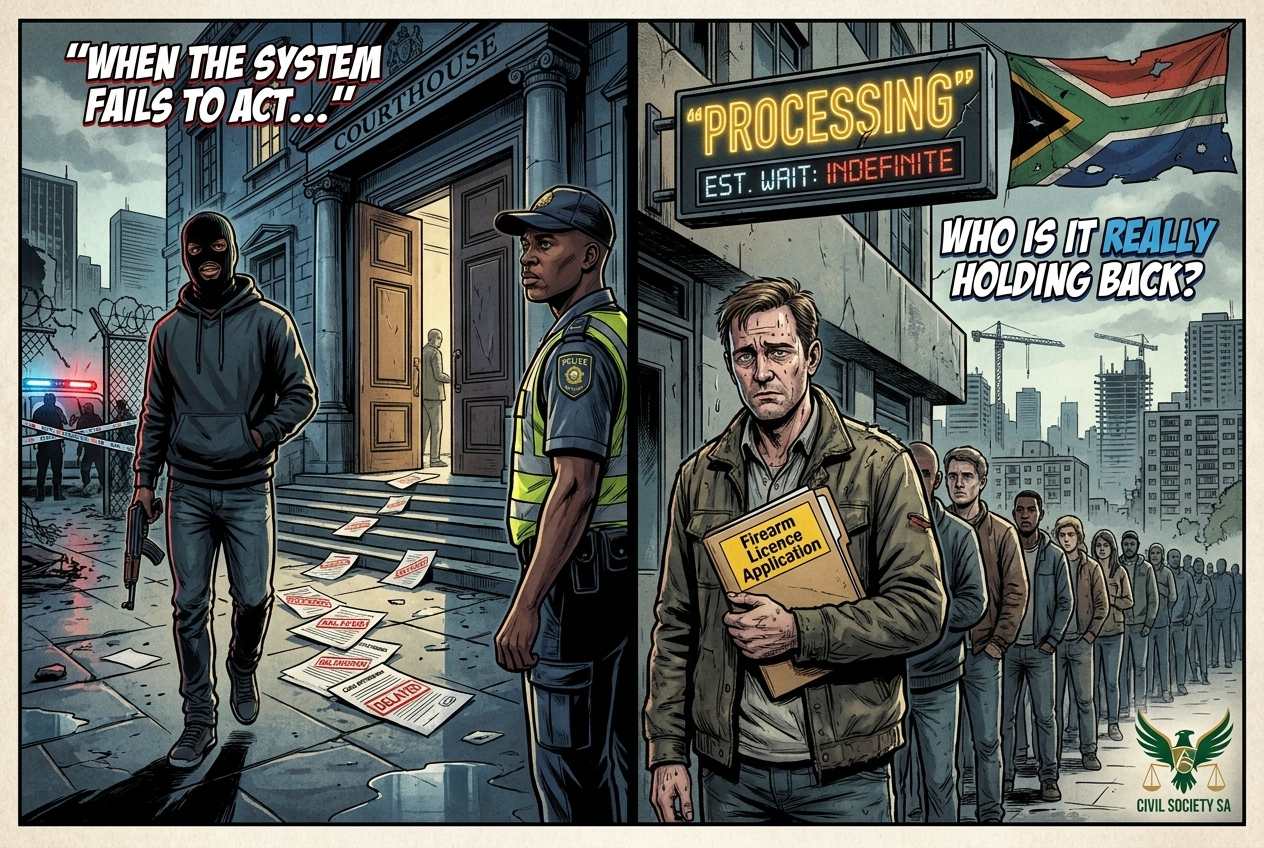
“South Africans need to understand what these numbers mean in practice,” said Reece Clark, spokesperson for Civil Society South Africa. “At the current conviction rate, the odds are heavily in your favour if you are caught with an illegal firearm, with roughly eight out of ten cases not resulting in a conviction. That is the message the system is sending, whether intentionally or not.
“And yet, if you are a law-abiding citizen trying to obtain a firearm legally, you can wait months, even years, while your right to self-defence is increasingly placed under pressure. That imbalance is not sustainable, and it speaks directly to the breakdown in the social contract between the state and its citizens.”
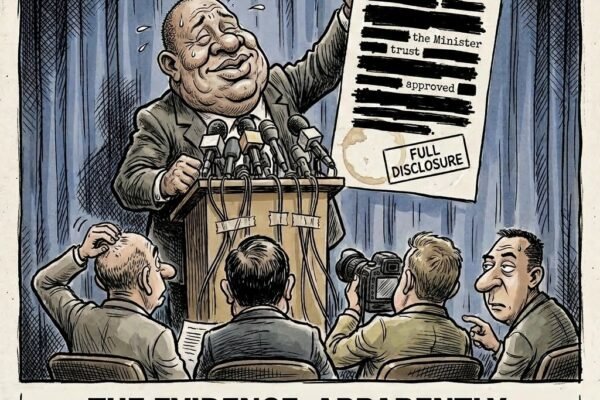
CSSA further notes that the Justice Ministry indicated it could not provide the total number of dockets received from SAPS, as such data is not recorded per crime category by the National Prosecuting Authority. This lack of integrated visibility between investigation and prosecution complicates efforts to measure effectiveness across the full justice chain.
A functional social contract requires more than legislation. It requires enforcement that is visible, consistent, and effective. Without that, public confidence erodes and the gap between policy and lived reality continues to widen.
CSSA therefore calls for the immediate prioritisation of illegal firearm cases, improved case finalisation rates, and stronger accountability across the criminal justice system. At the same time, any changes to lawful firearm ownership must reflect the realities South Africans face, not assumptions about a system that is still struggling to keep pace.
South Africans are not asking for fewer rights. They are asking for a system that works.
Soundbite: https://civilsocietysouthafrica.co.za/wp-content/uploads/2026/04/CSSA-demands-urgent-action-as-illegal-firearm-convictions-lag-and-law-abiding-citizens-face-growing-restrictions.mp3
Stay Informed
Campaign updates, legislation alerts, and advocacy news. No spam.