
You pay for your own safety. The taxman should recognise it.
You pay for firearm training, armed response, electric fencing, CCTV, neighbourhood patrols, community levies, guard dogs and more. You fund your own safety because you have no choice. And then SARS taxes you as if none of that happened.
Add Your Name. Demand Fair Treatment.The Double Burden
Part of your tax is supposed to fund your safety. SAPS is supposed to safeguard and protect. But they do not answer your call, they do not respond in time, and they do not properly investigate the crime. The burden of safety and security falls squarely on the shoulders of ordinary South African citizens.
That is a double burden. You are taxed for a service the state fails to deliver, then forced to fund the replacement yourself.
Medical aid contributions receive tax relief under Sections 6A and 6B of the Income Tax Act because the state healthcare system cannot cope. The logic is identical here. If the state cannot protect you, the cost of protecting yourself should qualify for the same treatment.
This is not a policy experiment. The precedent already exists.
What Qualifies as a Household Security Expense
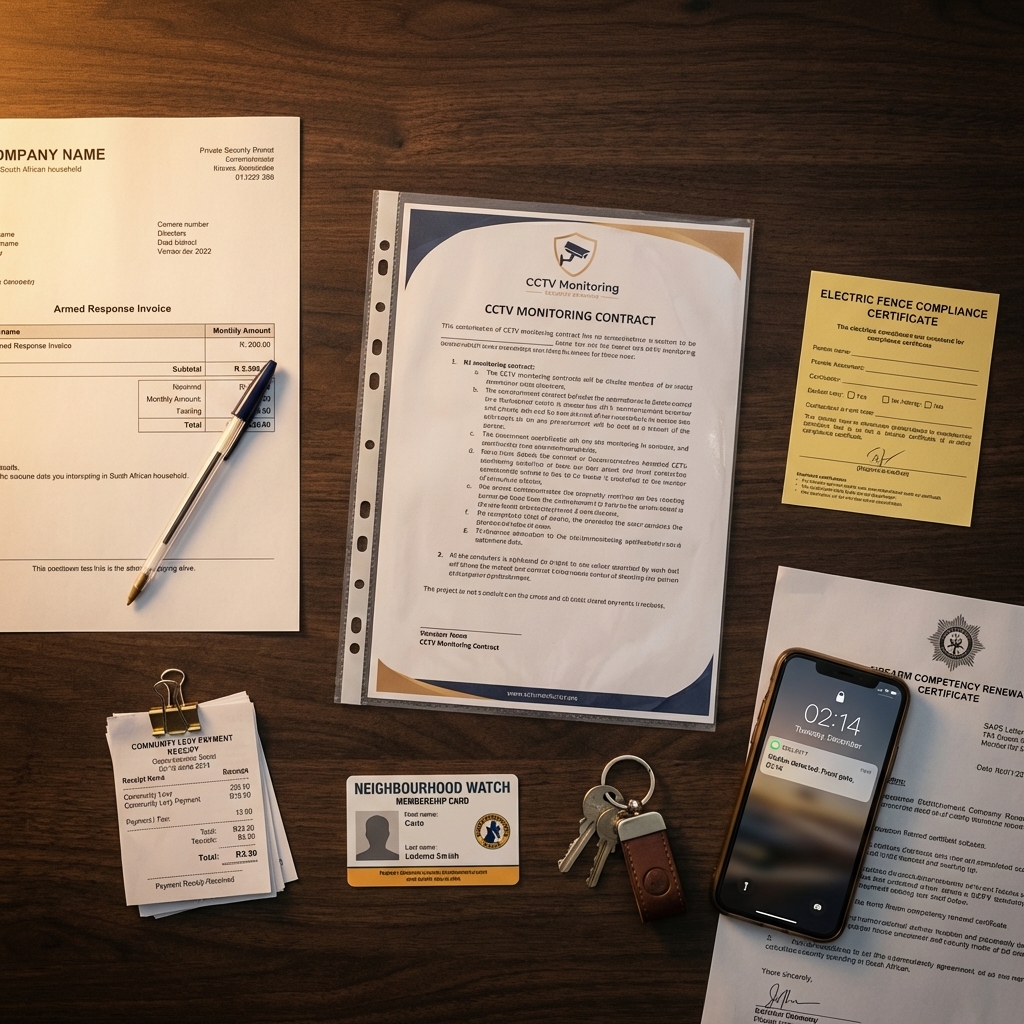
- Armed response subscriptions (ADT, Fidelity, Chubb, local providers)
- CCTV monitoring and maintenance fees
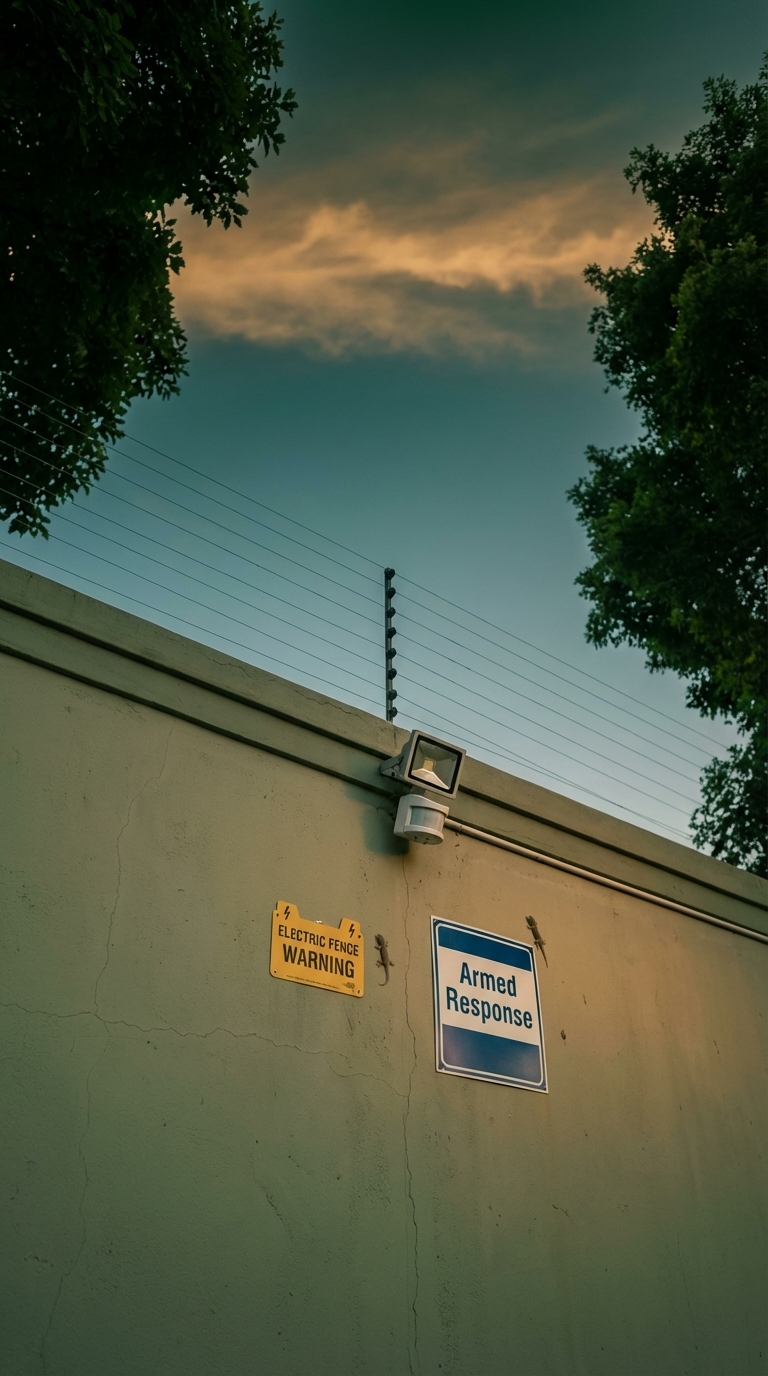
- Electric fencing installation and upkeep
- Neighbourhood watch and community patrol levies
- Security access control contributions (boom gates, guard houses)
- Guard dog maintenance directly related to property security
- Firearm training and competency renewal costs
- Private security escort or patrol services
For most households, these are not optional line items. They are survival costs. The tax system should treat them as such.
Every rand you spend on safety is a rand the state failed to spend. Demand recognition.
Register Your SupportWhat Government Pretends Not to See
Government frames private security as a lifestyle choice. A luxury.
That framing is dangerously wrong.
South Africa has more than half a million active private security officers. More than double the number of SAPS members. Citizens are not hiring security because they want to. They are hiring security because they have to.
Yet these costs receive zero tax recognition. No deduction. No credit. Nothing.
The state has abdicated its responsibility and then penalised citizens for picking up the slack.
What We Are Demanding
Two straightforward reforms:
Introduce a tax credit for verified household security expenses
Modelled on the existing medical aid tax credit framework under Sections 6A and 6B of the Income Tax Act. Just as taxpayers receive relief for private medical costs that substitute for failing state healthcare, taxpayers should receive equivalent relief for private security costs that substitute for failing state policing.
Amend Section 23(b) of the Income Tax Act
Explicitly permit the deduction of verified private security expenditure incurred by individuals. The current blanket prohibition on personal security deductions is irrational when measured against the relief already granted for private healthcare.
This would allow taxpayers to claim back verified security costs, reduce the monthly burden of staying safe, and receive formal recognition for carrying a load the state has dropped.
The Reality on the Ground
This is not about wealthy estates and VIP protection.
This is about ordinary South Africans who pay for armed response because SAPS takes hours. Families who fund neighbourhood patrols because their streets are not safe. Communities that pool resources for access control because no one else will.
For millions of households, these costs are not optional. They are survival.
And yet the tax system treats them as invisible.
The result: citizens are taxed for public safety that does not exist, then taxed again when they fund their own. No relief. No recognition. No logic.
Citizens are taxed for public safety that does not exist, then taxed again when they fund their own.
Why Your Name Matters
Policymakers do not act on principle. They act on pressure.
Every name registered here becomes part of a formal submission to the Portfolio Committee on Finance in Parliament. Every signature carries democratic weight.
We are building a public record that demonstrates the scale of this problem and the depth of public demand for reform. Government cannot ignore thousands of citizens calling for the same thing.
But only if you actually add your name.
Your name, email address, and province will be included in a formal submission to Parliament. Nothing else. No spam. No data sharing.
Your signature tells Parliament:
I pay for my own safety. I want the tax system to reflect that reality.
The more names behind this submission, the harder it becomes to ignore.
The current framework under the Income Tax Act is not merely unfair. It is arguably unlawful.
It fails the basic test of rationality by recognising tax relief for private medical expenditure on the basis that it alleviates pressure on the state, while irrationally denying the same recognition to private security expenditure that demonstrably reduces the burden on policing.
This inconsistent treatment raises a clear equality concern under Section 9 of the Constitution of the Republic of South Africa, as similarly situated taxpayers are treated differently without a defensible justification.
It further undermines the public interest by penalising citizens for taking necessary steps to secure their own safety in the face of systemic state incapacity.
These defects are legally cognisable and capable of being set aside by a court. However, successful litigation is materially strengthened by clear, widespread public support. Before the courts are engaged, the record must show that this is not an isolated complaint but a sustained and collective demand for rational policy.
You fund your own protection. The tax system should acknowledge it.
The state has failed to keep you safe. You stepped in. You pay the bill every month. All we are asking is that SARS stops pretending that bill does not exist.
Add your name. Join thousands of South Africans demanding a tax system that reflects reality.
Fair policy starts with public pressure. Add your voice.
Register Now